


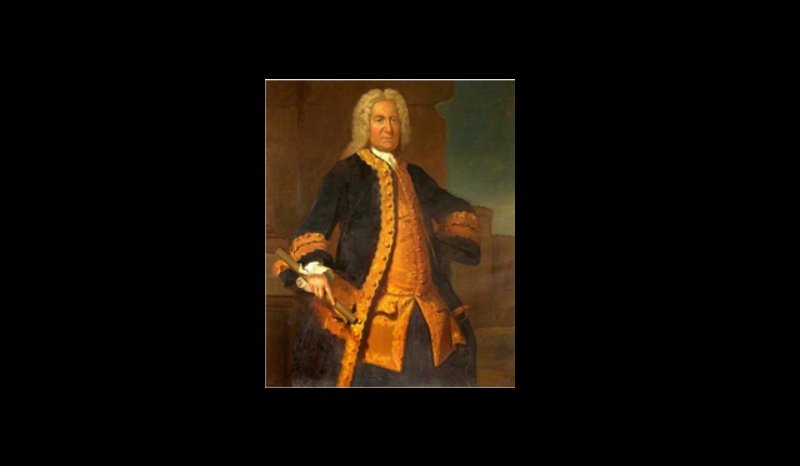
If one person could be responsible for the mining and energy generation industry centered at Grand Lake, New Brunswick that lasted almost 400 years and produced approximately 50 million tons of coal, then Charles LaTour would be that person. Charles came to the Maritime Provinces, which was called Acadia at the time, in 1609 with his father Claude. They and others came to set up trading posts and settlements for France. Soon fur trading posts were established near present day Saint John, Digby and Yarmouth collecting beaver and moose pelts and a fishing settlement near Miscou Island was harvesting the abundant cod and other fish. The Indigenous people living in the area were friendly and helped the French to find resources, and survive their first winters in the new world.
When England took control of Acadia in 1627, many of the French returned to France or moved to the Quebec settlement. Charles LaTour and a few others stayed to live with the Indigenous people. He married a Chief’s daughter and had 3 children. The local people people had used coal for hundreds of years. The French had used coal since the 1500s. It is likely that LaTour learned about Grand Lake coal from the local people who used Grand Lake and the Jemseg and Salmon rivers as a trade route from the Saint John river to the Richibucto river and the sea coast.
In 1631, France regained control of Acadia. The French made Saint John their main base in Acadia and made LaTour the Lieutenant-General in charge of that area. The availability of Grand Lake coal must have been a major factor in the decision to make Saint John their headquarters. The furs, fish and timber they came for were available from all their posts, but only Saint John had easy access to coal. Coal was very important in pioneer colonies for repairing tools and weapons, and for making door hinges, nails and other household necessities.
French and British ships usually carried several tons of coal when sailing to pioneer colonies in America. LaTour’s blacksmiths discovered that Grand Lake coal (later classified as bituminous coal) was better for them than coal from France (the anthracite type). The access to the interior provided by the Saint John River would have been the primary reason for making Saint John their main base. Large ships could sail up river almost to the Oromocto River before the water got too shallow and smaller boats like shalops or pinnaces could go much further.
By 1635, LaTour had rebuilt the French fort at Saint John. LaTour began trading with the British and Dutch colonies in New England, which were growing faster than the French colony. Ships from France took several weeks to reach Acadia, but the New England colonies were just a few days sail down the relatively protected coast. A description of Fort LaTour indicates that the fort had two 11 foot wide fireplaces which were stocked with wood and “coal from up river”. This description is the first indication that Grand Lake Coal was known and used at Saint John before 1635.
Recently uncovered colonial government documents, available from the Massachusetts State Archives, show that in 1637 the Massachusetts Bay General Court hired a local resident, Abraham Shawe, to search for coal and other minerals in their area. That search appears to have been unsuccessful since in 1639 Mr Shawe’s property was sold, likely due to his death or return to England. Also in 1639, the General Court sent a shalop (a fishing boat) “eastward for coals”. The Court and local Merchants/Ship Captains agreed that if coal was purchased their blacksmiths would pay the expenses, but if coal was not available, the Court would pay. That shalop did return with coal and although the specific source of the coal was not identified, Dr. John Webster, the NB representative on the Historic Sites and Monuments Board of Canada concluded that the only logical destination for that type of boat, at that time in history, was LaTour’s fort at the mouth of the Saint John River. On July 28, 1928, Dr Webster, originally from Shediac, recommended National Historic Site status for the Grand Lake area, which was approved and the “First Export of Coal in America” was recognized with a stone and brass monument in Minto.
For more interesting details, several books on New Brunswick history by Historians M.A. MacDonald and James Hannay, are available through the NB Public Libraries. Next, we learn more about LaTour and how conflicts between him and another French Lieutenant-General forced LaTour to get help from distant relatives of two current Minto families.

