


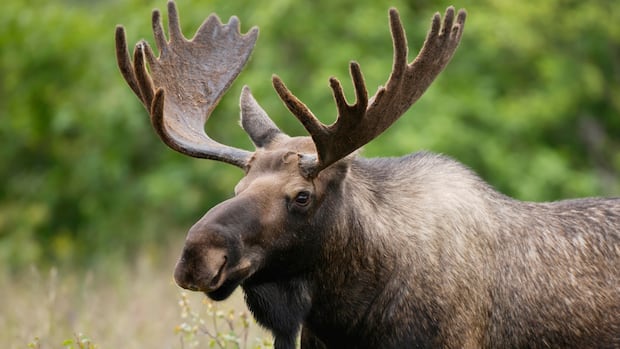
The North Shore Mi’kmaq Tribal Council is embarking on a study to see if chemicals, such as DDT and glyphosate, are affecting moose, a major part of the Mi’kmaw food system.
The North Shore Mi’kmaq Tribal Council received $150,000 from Indigenous Services Canada for the project

Hannah Rudderham · CBC News
· Posted: Jul 13, 2026 5:00 AM EDT | Last Updated: 1 hour ago

Listen to this article
Estimated 5 minutes
The audio version of this article is generated by AI-based technology. Mispronunciations can occur. We are working with our partners to continually review and improve the results.
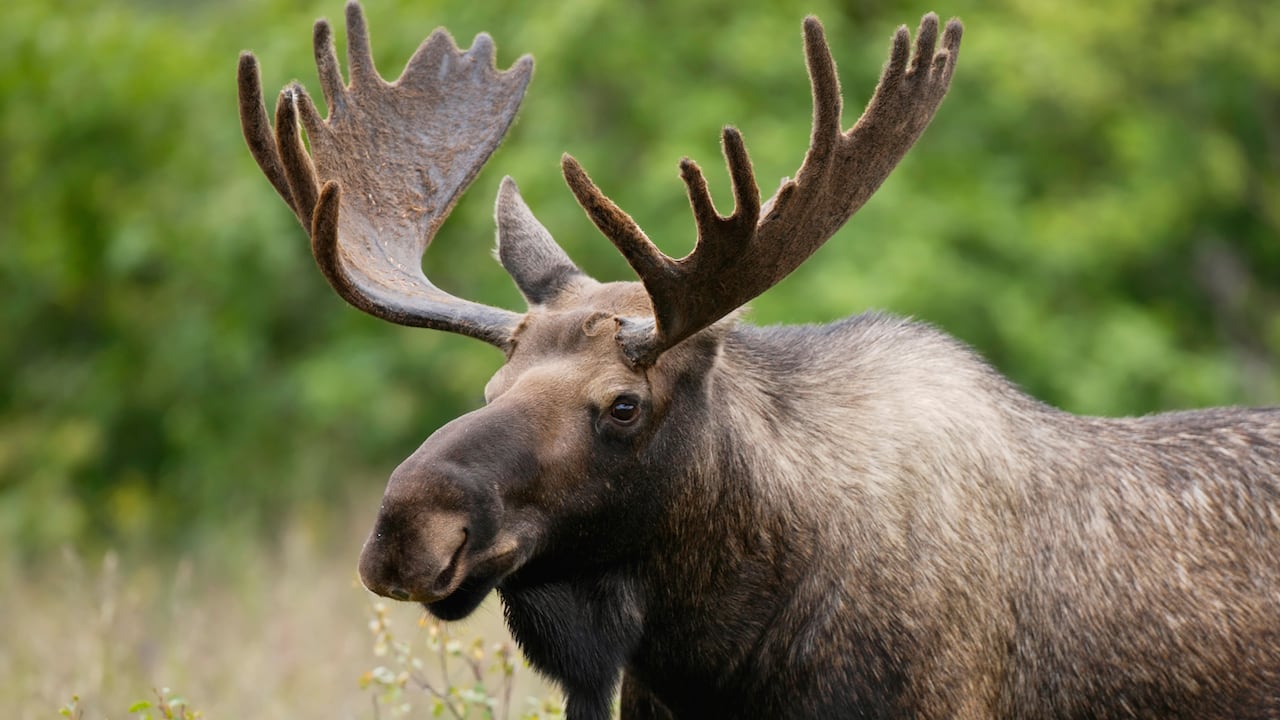 The study will test small samples of moose livers to see if DDT or glyphosate is present. (CBC)
The North Shore Mi’kmaq Tribal Council is embarking on a study to see if chemicals, such as DDT and glyphosate are affecting moose, a major part of the Mi’kmaw food system.
Ethan Augustine, the senior biologist with the council’s Anqotum Resource Management team, said while the pesticide DDT — dichlorodiphenyltrichloroethane — was last used in 1968, its environmental impacts are long lasting.
“We didn’t know at the time how bad it was, but you know, we started seeing bird populations plummet, notably the bald eagle, which is a very culturally important species to the Mi’kmaq,” Augustine said.
The council received $150,000 from Indigenous Services Canada’s First Nations Environmental Contaminants program to test moose liver throughout the Miramichi area and the Acadian Peninsula to see if the traditional food source is contaminated with pesticides.
This story was brought to Nouzie by RSS. The original post can be found on https://www.cbc.ca/news/canada/new-brunswick/mi-kmaw-moose-study-ddt-glyphosate-9.7265877?cmp=rss

