


August 9, 2022
Hydrogen, a fuel with huge potential – if done right
Hydrogen, the first element of the Periodic Table, is getting a lot of attention these days as a potential energy source of the future. Why?
- It’s plentiful: hydrogen is the H in H2O, or water; it’s the most abundant element on Earth and in the universe
- It’s versatile: hydrogen can be used to produce electricity or heat
- It’s clean: the combustion of hydrogen produces only water; zero carbon dioxide is produced
Sounds like a perfect solution for shifting the world off of fossil fuels and solving climate change, right? Except for one thing: pure hydrogen doesn’t occur naturally; it needs to be separated from other elements first – and that requires energy. Where that energy comes from is critical in determining whether hydrogen really is or isn’t a clean fuel.
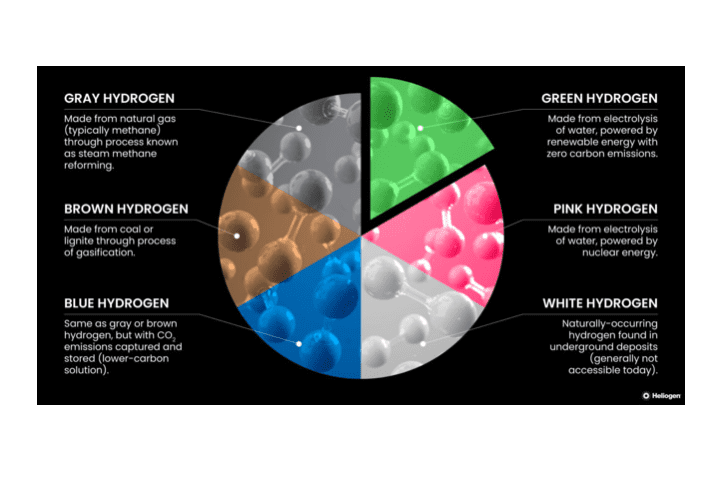
That’s why an international system has been developed to categorize hydrogen, using colours. Here’s an overview:
- Grey hydrogen is hydrogen derived from natural gas, or produced through other means that involve the burning of fossil fuels. The hydrogen itself may be clean, but its production has a huge carbon footprint. That’s why grey hydrogen is of minimal benefit in addressing our climate crisis.
- Blue hydrogen is also derived from fossil fuels, but most of the carbon dioxide generated in creating it is captured and stored. However, carbon capture and storage is very expensive and technically challenging. So blue hydrogen is less harmful to the climate than grey, but still not great.
- Green hydrogen is hydrogen produced when renewable electricity (IE from wind, solar or hydro) is used to extract pure hydrogen from water through a process called electrolysis. Green hydrogen has a virtually zero carbon footprint in both its production and combustion, so it’s the only truly climate-neutral type of hydrogen.
Unfortunately, most of the world’s hydrogen today is the grey kind. However, great strides are being made in developing better green hydrogen technology – such as this facility that converts wind energy into hydrogen.
The potential is enormous, as hydrogen is seen to be the best solution for things that will be very hard to electrify, such as airplanes, large trucks, steel making and more.
But the true sustainability of hydrogen depends entirely on how it’s produced – and now you know: it’s got to be green!
Click here to learn more about the many colours of hydrogen.
This story was brought to Nouzie by RSS. The original post can be found on https://carlsgreenideas.wordpress.com/2022/08/09/when-it-comes-to-hydrogen-how-well-do-you-know-your-colours/

